Many homeowners look for faster ways to update their space without removing what’s already there. Laminate flooring is a popular choice thanks to its clean look and easy maintenance. Some consider installing it directly over the carpet to save time and effort.
Installing laminate on carpet may seem like a shortcut, but experts advise against it. Soft surfaces don’t provide the firm support laminate needs. Uneven flooring can lead to gaps, noise, or damage that may appear sooner than expected.

Can you install laminate flooring over carpet? While it’s technically possible in rare cases, it’s not recommended. Removing the carpet and preparing a solid base gives better results. Follow this guide to learn safe, proper installation steps for lasting performance.
What to Prepare for Laminate Floor Installation
Laminate flooring has specific installation requirements that must be met for optimal performance and longevity. The flooring needs:
- A completely flat and level surface (maximum 3/16″ variation over 10 feet)
- A solid, stable subfloor (concrete, plywood, or existing hard flooring)
- Proper underlayment for moisture protection and sound absorption
- Expansion gaps around the perimeter to allow for natural movement
Why You Shouldn’t Install Laminate Flooring Over Carpet
Laminate flooring requires a hard, flat surface, such as plywood or concrete. Carpet is soft and unstable, making it unsuitable as a subfloor for laminate.
1. Lack of Stability
Laminate flooring needs a firm and flat base to stay in place. The carpet is too soft, which makes the planks shift and move. This can lead to gaps, bumps, and buckling. Over time, your floor may look uneven and wear out much faster.
2. Moisture and Mold Risks
Carpet can hold moisture from spills, leaks, or humidity. Laminate flooring is made from wood-like materials and is not suitable for use in areas with water exposure. Trapped moisture can cause warping, swelling, and even mold, which can lead to severe damage under the surface.
3. Voided Warranty
Most laminate flooring brands require installation over a solid, approved surface. Installing it over carpet violates these guidelines and can void the warranty. If something goes wrong, repairs or replacements may not be covered by the manufacturer.
4. Poor Longevity and Performance
Even if the laminate appears fine at first, the soft carpet underneath continues to cause it to move. This constant movement weakens the edges where the planks connect. You may notice squeaks, loose boards, and faster wear, leading to a floor that doesn’t last long.
Expert Tips for Installing Laminate Flooring
Garage floor experts unanimously agree that laminate should never be installed over carpet. Here’s what professionals recommend instead:
- Always remove carpet and padding completely before installing laminate flooring
- Inspect and prepare the subfloor by checking for levelness and repairing any imperfections
- Use the proper underlayment explicitly designed for laminate flooring
- Follow the manufacturer’s instructions precisely for spacing, acclimation, and installation techniques
How to Install Laminate Flooring
If you’re ready to install laminate flooring the right way, follow these steps:
1. Remove Existing Carpet
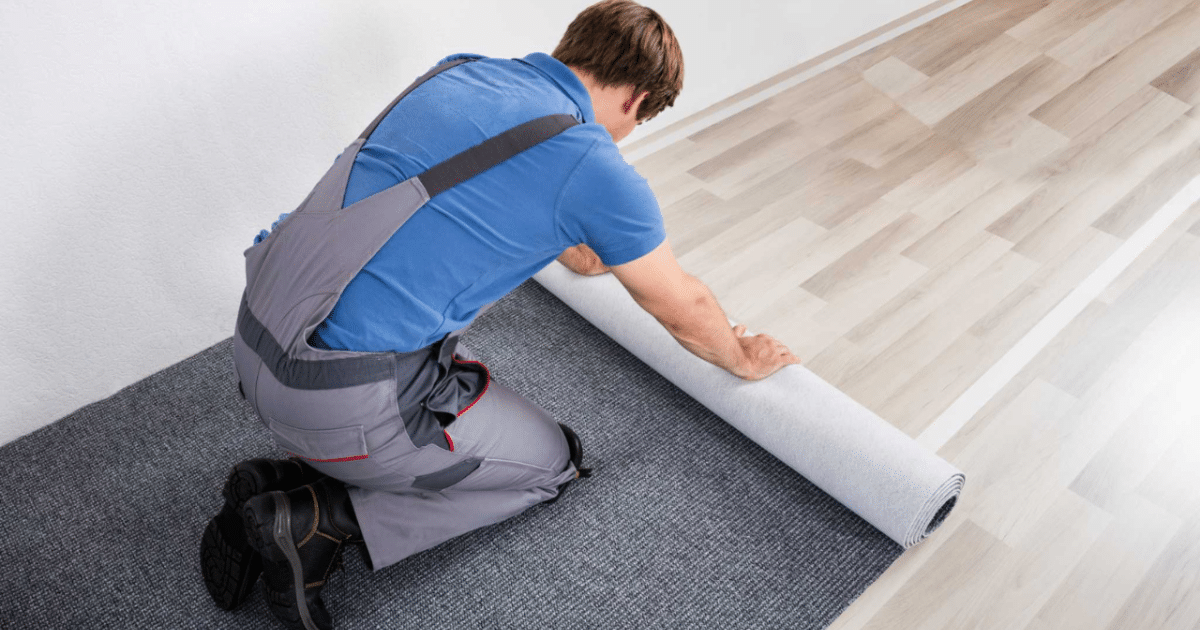
Remove the carpet, padding, and tack strips to make room for your new floor. Start by pulling up a corner using pliers or a utility knife. Ensure that everything is thoroughly cleaned so your new flooring has a solid, clean base.
2. Prepare the Subfloor
Sweep and vacuum the floor. Repair any low or uneven areas using a filler or leveling compound. The surface should be flat, smooth, and clean to ensure the laminate installs correctly and stays firmly in place without shifting or making noise over time.
3. Install Vapor Barrier (If Needed)
If the floor is concrete, add a plastic sheet to prevent moisture from seeping through. Overlap the edges and secure them with tape. This helps protect your new floor from water, which can cause damage like swelling or mold over time.
4. Lay Underlayment
Roll out the foam underlayment across the room. Lay it flat and tape the seams to keep it in place. This layer helps soften footsteps, reduce noise, and smooth out tiny bumps under the laminate planks.
5. Acclimate Flooring
Let the boxes of laminate sit in the room for 48 hours before installation. This allows the planks to acclimate to the room’s air and temperature, preventing them from shifting or bending after they’re installed.
6. Begin Installation
Start in one corner of the room and lay the first row along the wall. Place spacers between the wall and planks to create a small gap. This space allows the floor to expand and contract slightly without lifting or cracking over time.”
7. Stagger Seams
When laying each row, make sure the plank ends don’t line up. Keep them at least 12 inches apart. This makes the floor look better and keeps it strong by spreading pressure across different parts of the room.
8. Install Transitions
Use transition strips where the laminate meets tile, carpet, or another type of floor. These pieces help the floors meet neatly and give space for movement. They also protect the edges and make the whole area look more finished.
Best Options Instead of Laminate Over Carpet

Since the answer to “Can you install laminate flooring over carpet?” is a firm no, here are the best alternatives:
1. Remove the Carpet First
Start by pulling up the carpet and padding to expose the floor underneath. Use pliers to lift a corner. Remove tack strips, nails, and glue. Clean the area and check for bumps or dips. Fix any uneven spots before installing your laminate for best results.
2. Add Underlayment
Laminate floors need underlayment for support, comfort, and moisture control. Choose one designed specifically for laminate flooring. If you’re installing over concrete, use a vapor barrier too. This added layer protects the floor, helps it last longer, and keeps it quiet when you walk on it.
3. Try Other Floors
If you can’t remove the carpet, consider a better option. Luxury vinyl plank works well on softer surfaces and handles small bumps. Engineered hardwood looks like real wood and holds up better than laminate. Both still require a solid foundation to function effectively in the long term.
What Are the Risks of Ignoring Expert Advice
Some DIYers attempt to install laminate over carpet despite warnings, leading to several problems:
1. Uneven Flooring
Carpet padding is too soft for laminate flooring. It doesn’t give the strong base that planks need. This causes the pieces to shift, come apart, or feel unstable. Over time, the floor becomes bumpy and unsafe, making the whole surface look and feel poorly installed.
2. Increased Wear and Tear
Laminate flooring requires a solid base to remain stable. When placed over carpet, the soft layer causes movement. This wears down the locking parts between planks. You may hear squeaks, see loose spots, and notice your floor getting damaged faster than it should.
3. Mold and Moisture Damage
Carpet can trap moisture from spills or damp air. When laminate is placed on top, the moisture has nowhere to go. This leads to swelling, soft spots, and even mold. Both the flooring and the surface underneath can be damaged and may require complete replacement.
Frequently Asked Questions
Can I lay laminate flooring on top of carpet?
No, laying laminate flooring directly over carpet is not recommended. The soft texture of the carpet prevents a solid foundation, which can cause movement and potential long-term damage. Removing the carpet ensures a flat, stable surface for better laminate installation results.
What kind of flooring can you put over carpet?
Interlocking foam tiles and certain floating floors like vinyl planks or modular carpet tiles can sometimes go over low-pile carpet. However, for most flooring types, it’s best to remove carpet first for stability and better long-term performance in your space.
Can I use old carpet as underlay for laminate flooring?
Using old carpet as underlay for laminate is not advised. The carpet is too soft and thick, making the floor unstable and prone to damage. Laminate requires a firm, even underlayment designed to provide support, reduce noise, and prevent moisture problems underneath.
Can you put new flooring over carpet?
Generally, it’s not ideal to install new flooring over existing carpet, especially on hard surfaces like laminate or wood. The soft layer doesn’t offer enough support. Removing carpet first creates a solid base, helping your new flooring stay durable and safe.
Conclusion
Give your floors a proper upgrade with expert help that delivers lasting results. Leaving the carpet underneath may sound like a quick fix, but it often leads to uneven flooring, noise, and early damage. A flat, solid base helps your laminate flooring stay strong and look better.
Can you install laminate flooring over carpet? In most cases, it’s not a good idea. A soft carpet surface doesn’t give enough support, which can cause the laminate to shift or wear down faster. Removing the carpet first is the best way to get a smooth and long-lasting finish.
Call (817) 310-6331 to get started with Floor N More Southlake. Our team handles everything, from removing the old carpet to installing your new laminate floors. We make sure the job is done right, so your floors stay beautiful and last for years.
End Note
Explore more about flooring upgrades, style tips, and expert advice by visiting our blog. If you’re still asking, can you install laminate flooring over carpet? We’ve got clear answers. Floor N More Southlake guides you through better, lasting flooring solutions every step of the way.
Discover who we are on our About Us page and learn how we serve homeowners in Roanoke, TX, and Southlake with top-rated flooring services. Our professional team is ready to help transform your space with trusted installation techniques and high-quality materials.
Ready to start your next flooring project? Visit our website or visit us flooring contractor near Southlake, TX. Let Floor N More Southlake make your flooring upgrade easy, seamless, and built to last.
Floor N More Southlake
1621 E Southlake Blvd, Southlake, TX 76092, United States
+18173106331